Winter Collision Damage in Buffalo: What to Check
Why Even Minor Winter Accidents Can Cause Hidden Damage on Buffalo Roads
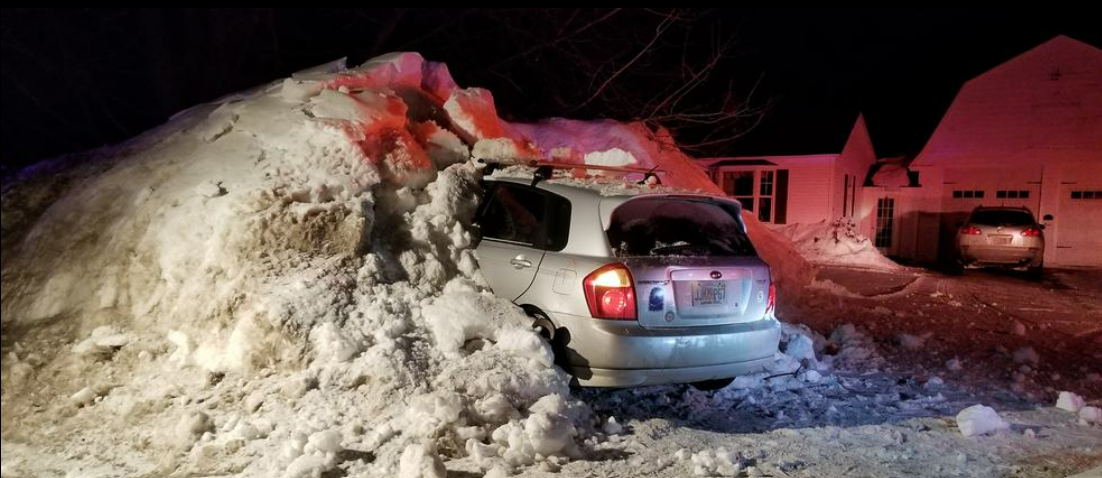
Did you know that Buffalo averages over 90 inches of snow a year—and in some winters, that number approaches 120? With such intense storms, it’s no wonder that the city faces one of the highest rates of winter collision damage accidents in Western New York
Startling Facts About Winter Collision Damage in Buffalo
Each year, Buffalo and the surrounding north towns of Western New York endure a barrage of winter storms that put drivers and their vehicles to the test. According to wivb news, Buffalo regularly experiences heavy and dangerous snowfall, often accompanied by frigid temperatures and reducing visibility on the roads. In these conditions, even routine commutes can quickly become fraught with peril, with accident rates in some winters spiking by as much as 35% during icy weeks. Many collisions happen not from reckless driving, but from sudden patches of ice and snow or debris hidden beneath fresh powder, catching experienced drivers off guard.
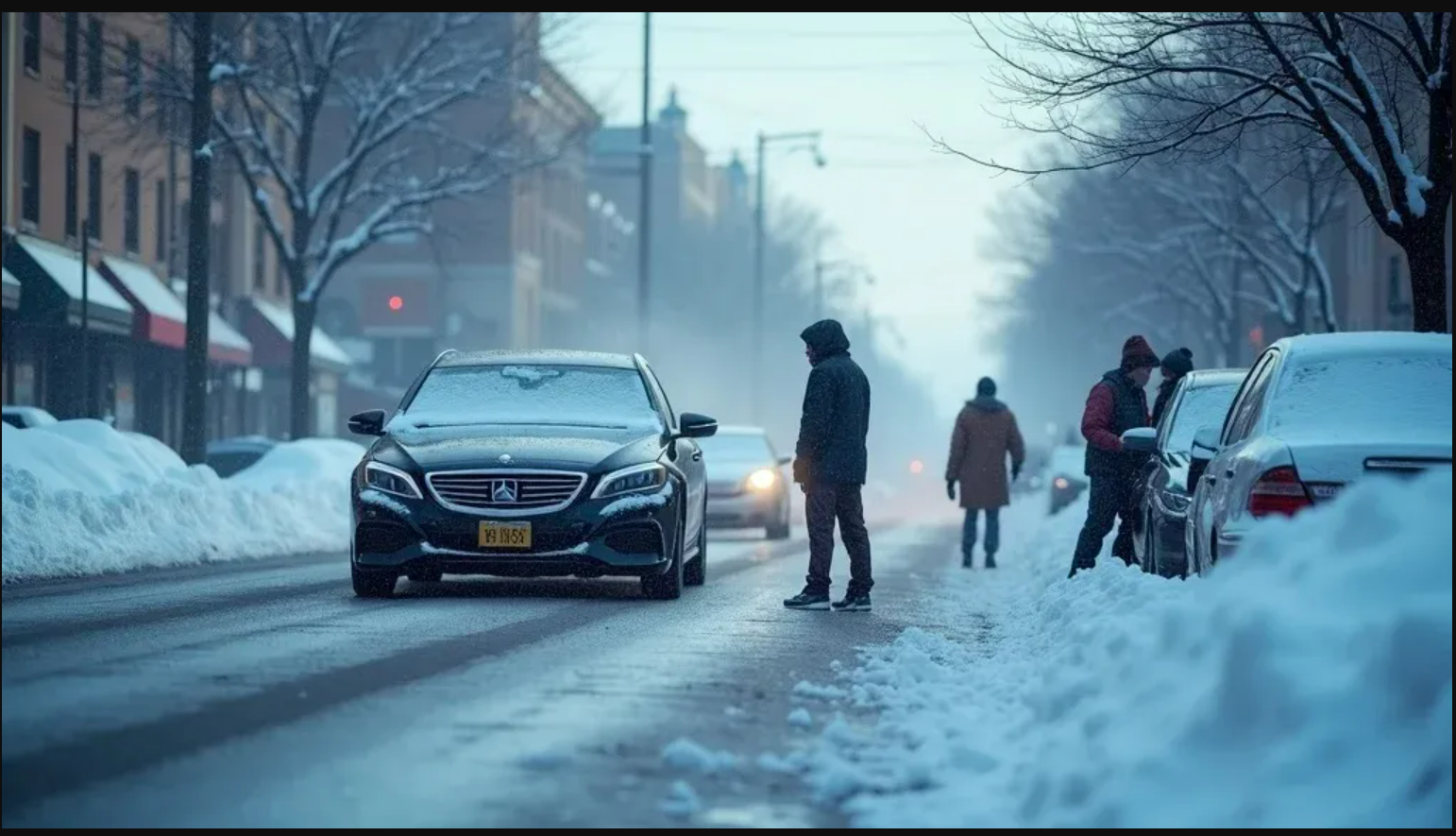
Winter driving in Buffalo is uniquely challenging because road salt struggled to keep surfaces ice-free during ongoing storms. Potholes, snowbanks, and even curbs can become invisible hazards, especially when new snow covers up existing obstacles or obscures lane markings. Common scenarios include rear-end accidents at slippery intersections, sliding into parking lot posts, or bumping over unseen curbs after a rough weather patch hits the area. Many drivers, eager to get home and out of the cold, may only give their vehicle a quick once-over before getting on with their day—missing damage that could worsen under relentless Buffalo winters.
- Buffalo’s average annual snowfall and accident rates in winter: Over 90 inches of snow, with some winters well above 100 inches, contributing to a significant spike in wintertime accidents.
- Common winter driving hazards: Ice, snowbanks, hidden debris on city and neighborhood streets, and reduced visibility.
- Typical collision scenarios: Sliding through intersections, bumping curbs in the north towns, and hitting snowbanks after sudden stops.
What You'll Learn About Winter Collision Damage in Buffalo
Winter driving in Buffalo and across Western New York brings unique risks that often go unnoticed—until a problem suddenly gets worse. This article will help you understand not only what kind of damage can occur after collisions in the snow and ice, but also why certain auto issues in Buffalo winters are easy to overlook and how they can quickly escalate if left unchecked.
This article breaks down how the combination of road salt, freezing temperatures, and hidden hazards can cause a vehicle’s condition to deteriorate, even after the lightest bumps or minor slides.
By reading on, you’ll learn how to examine your car for common and hidden collision damage, spot the red flags that indicate deeper issues, and understand when it’s critical to seek professional inspections. Whether you drive daily in the city or only venture out during snow warnings, knowing what to look for can help you stay safer and avoid bigger repair bills down the road—making the harshest winter season a bit more manageable.
- The most frequent types of winter collision damage Buffalo drivers miss.
- Why certain damage worsens dramatically in Buffalo’s cold and salty conditions.
- How to spot underlying issues after a snow or ice-related collision.
While it’s important to recognize the visible signs of winter collision damage, understanding the full scope of repairs your vehicle may need is equally crucial. For a detailed look at the repair process and what to expect from a reputable local shop, you can explore how a collision repair shop serving Buffalo, New York approaches winter-related auto body issues and restoration.
Common Types of Winter Collision Damage Buffalo Drivers Should Check For
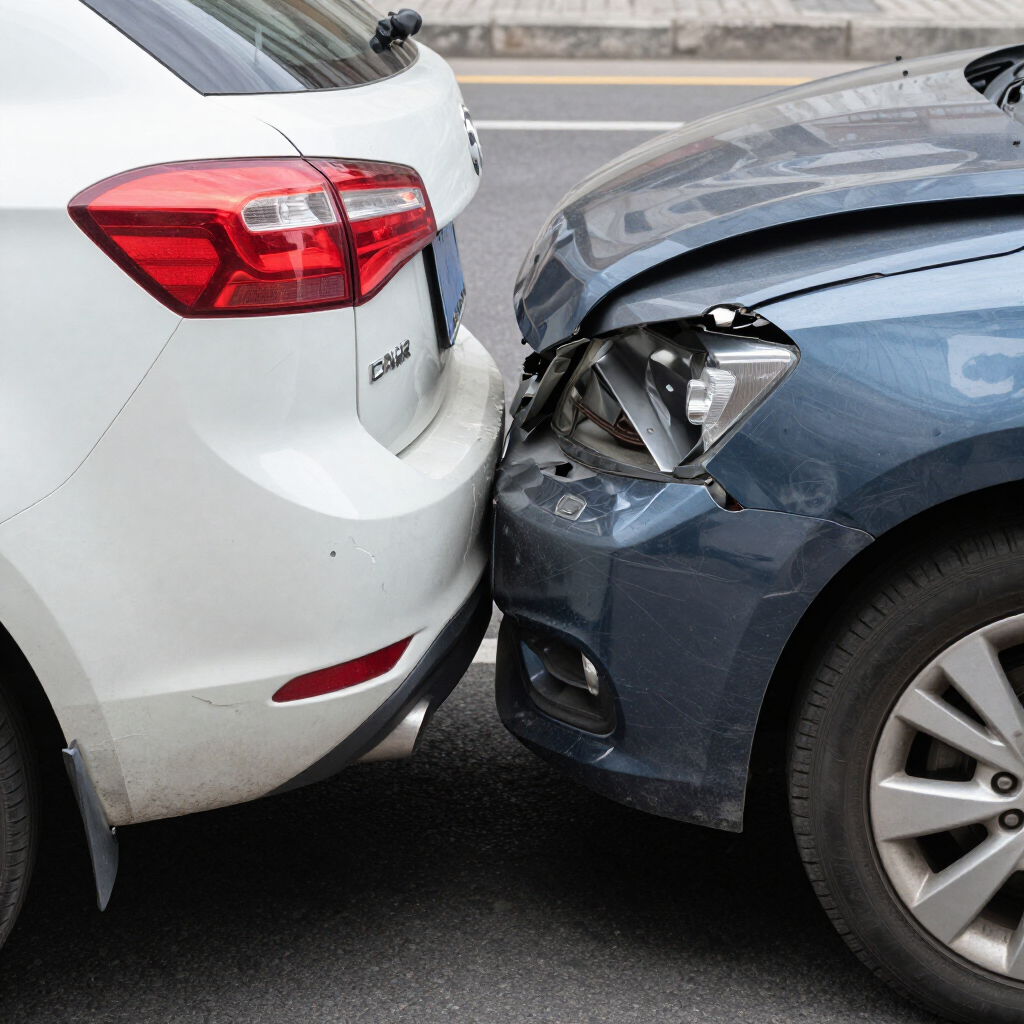
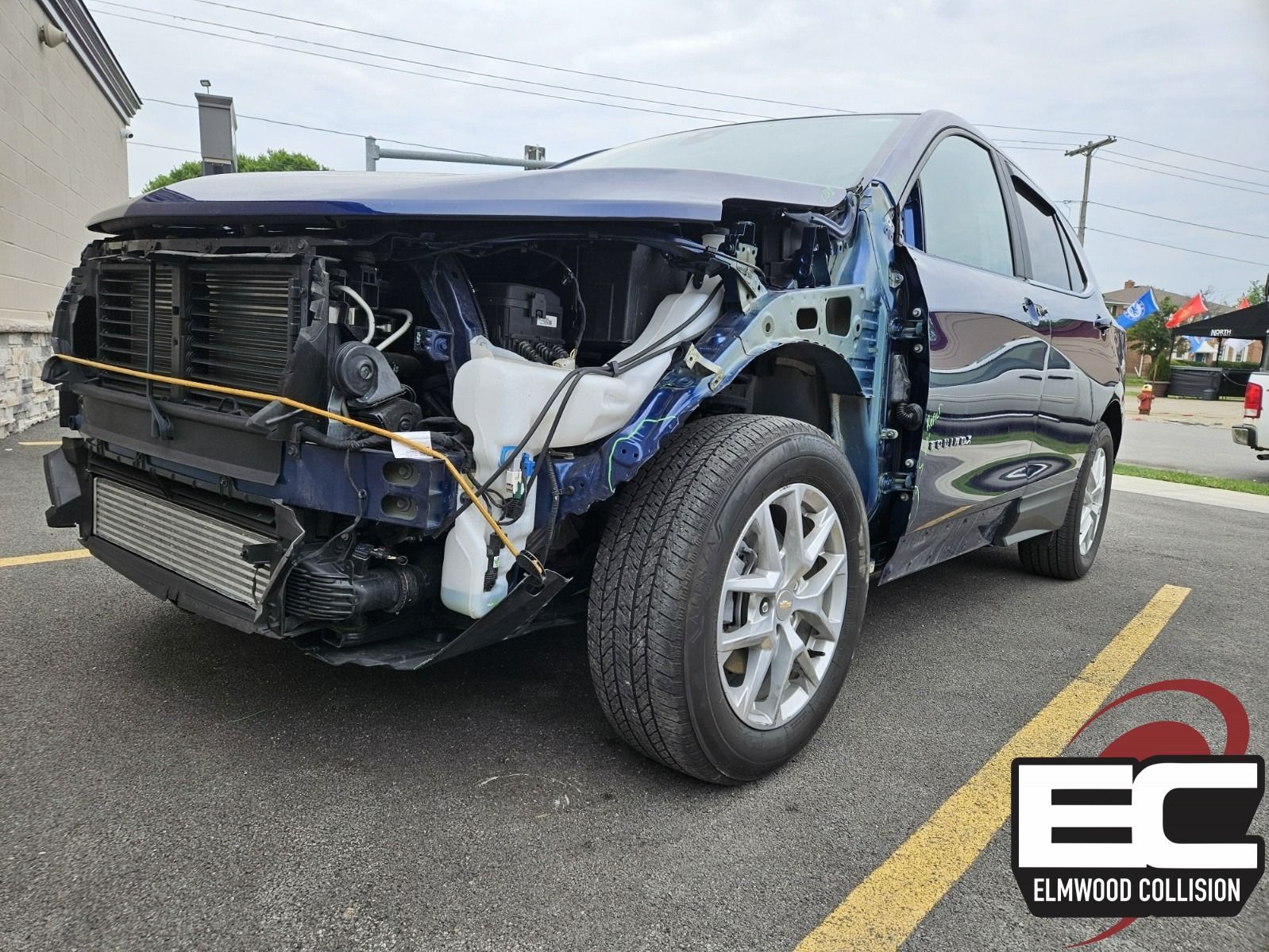
Despite the obvious signs like a dented bumper or cracked grille, many types of winter collision damage in Buffalo go unnoticed until spring—when they’ve already caused rust or safety issues. After even a “minor” accident involving snow or ice, take the time to look for these frequently missed problems:
Paint chips and cracks often develop where flying road salt and hard ice pellets strike your car’s lower panels and bumpers while driving through the north towns. The salt and moisture rapidly accelerate corrosion in any exposed metal, making even a small chip a potential hotspot for rust.
- Paint cracks and chips: Result from salt, freezing rain, and ice impact, especially after snow plows pass or during heavy snowfalls in North Buffalo neighborhoods.
- Bumper and undercarriage damage: Hidden cracks can mask more serious structural problems. The undercarriage is especially vulnerable to snowbank collisions and deep winter potholes.
- Wheel alignment issues: After glancing off a curb or large pothole, your vehicle may track unevenly or the steering may feel “off”—a sign alignment or suspension has shifted.
- Foggy headlights and broken sensors: Impact from snowbanks can not only crack light housings but dislodge critical safety sensors.
- Frozen or jammed doors: After even minor impacts, door seals can be damaged, leading to moisture buildup and frozen latches.
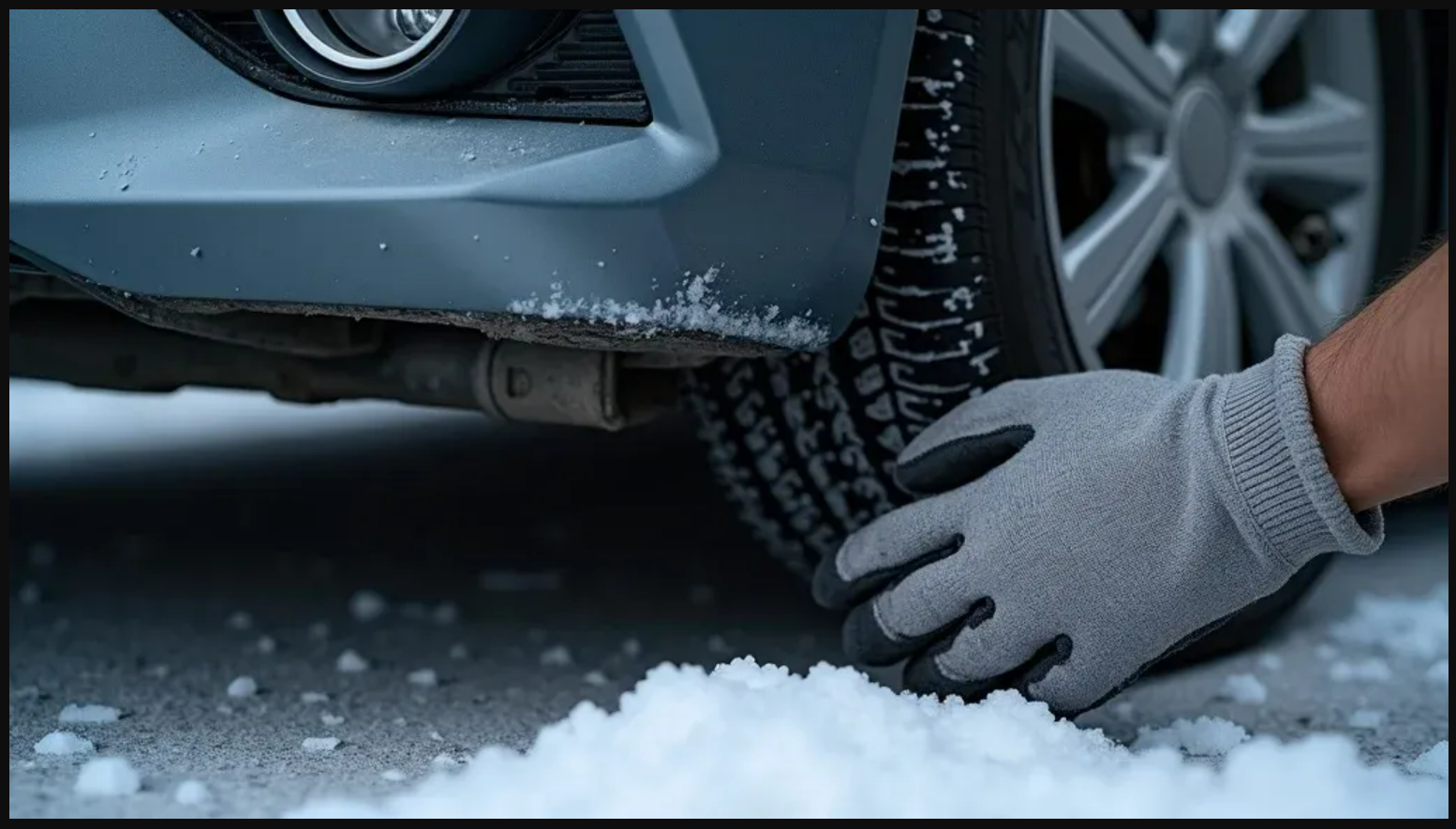
Why Timely Inspection Matters for Winter Collision Damage in Buffalo
It’s tempting to shrug off a little bumper scrape or undercarriage knock after a snowy incident, especially during a dangerous snowstorm in Buffalo or when frigid temperatures discourage even the bravest drivers from spending too much time outside. However, delays can dramatically increase the cost and danger of winter collision damage Buffalo vehicles face.
The mixture of road salt, snow, and freezing air makes local cars uniquely susceptible to corrosion. What looks like a minor paint crack often becomes the entry point for rust, especially beneath the surface where trapped slush can keep the metal wet for weeks. Ignoring dashboard alerts or “just a bit” of handling trouble after a curb impact can also mean missing a bent suspension component—raising the risk of a future breakdown or even another accident involving loss of control in icy conditions.
- Cold weather intensifies hidden rust and corrosion: Exposed areas rust faster due to moisture and salt.
- Risks in ignoring minor damage: What starts as cosmetic can rapidly worsen, sometimes rendering vehicles unsafe for further winter driving.
- Safety implications for future snow and ice driving: Small alignment or undercarriage issues today could mean a much bigger problem the next time a big weather patch hits the winter storm warning zone.
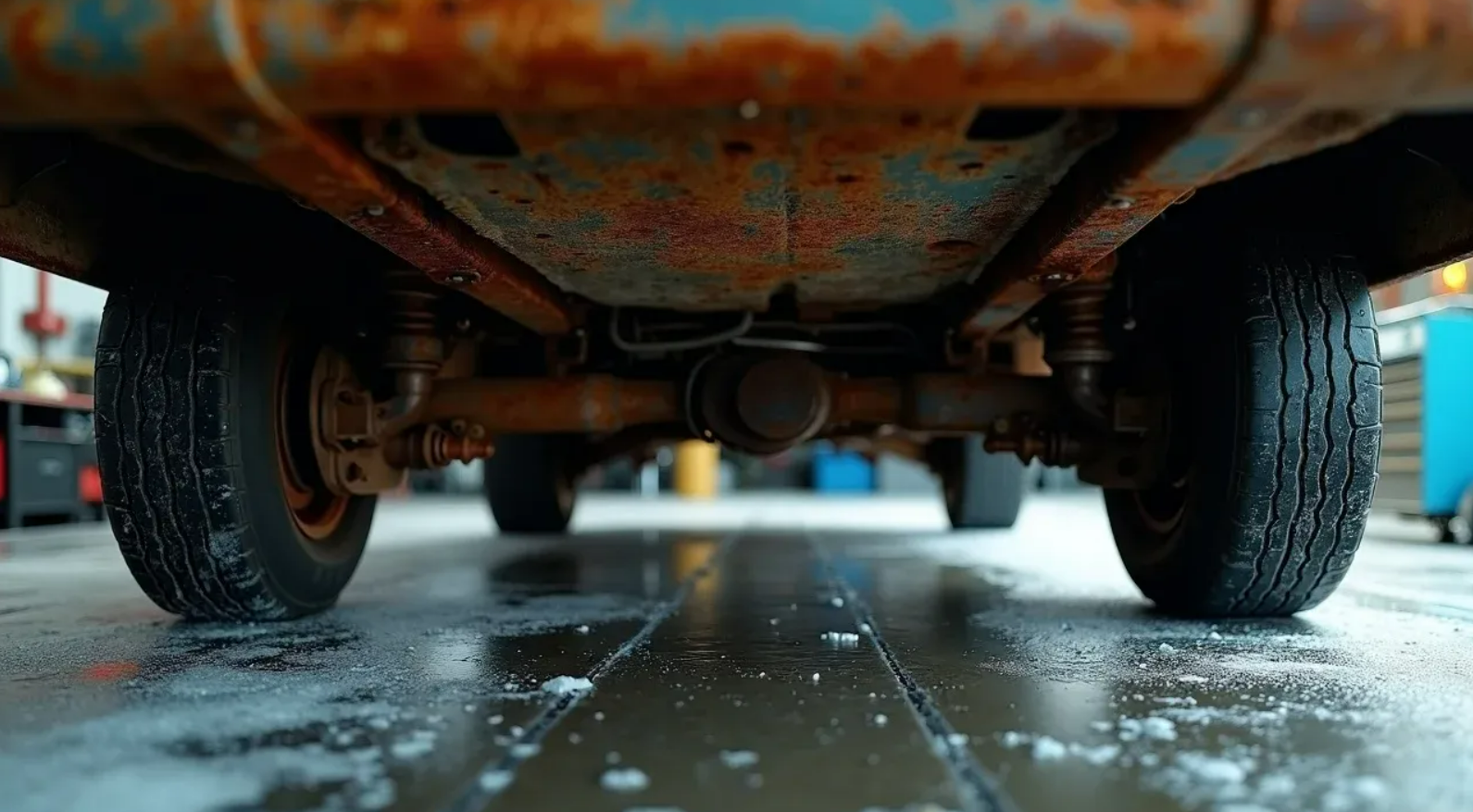
Paint and Bumper Damage: Why It’s a Bigger Problem in Buffalo’s Winter
Buffalo’s reputation for bitter winters means local vehicles are exposed to some of the harshest road conditions in the country. The aggressive use of road salt is necessary for safety, but it takes a heavy toll on your vehicle’s paint and bumper. Over time, the salt eats into exposed metal and paint cracks, accelerating deterioration and making that “harmless” scrape from a snowbank a future rust spot or even a structural problem.
Certain types of bumper cracks aren’t just cosmetic—they can mask underlying structural damage, such as broken mounts, bent sensor brackets, or even compromised airbag sensors. This makes prompt inspection and repair essential for maintaining your car’s crash-worthiness throughout the winter. Furthermore, ignoring collision damage can shorten the lifespan of your vehicle, lower its value, and—worst of all—jeopardize your safety on the road. What seems minor after a typical Buffalo snowbank bump can become an expensive lesson if you wait until spring to act.
- Road salt accelerates deterioration: Especially in areas where paint is already chipped or compromised.
- Bumper cracks hide danger: Underlying bracing may be damaged, and outwardly minor issues can affect sensor and airbag deployment.
- Skipping repairs in winter: Leaves your vehicle exposed to ongoing damage, increasing safety and corrosion risks until the weather improves.
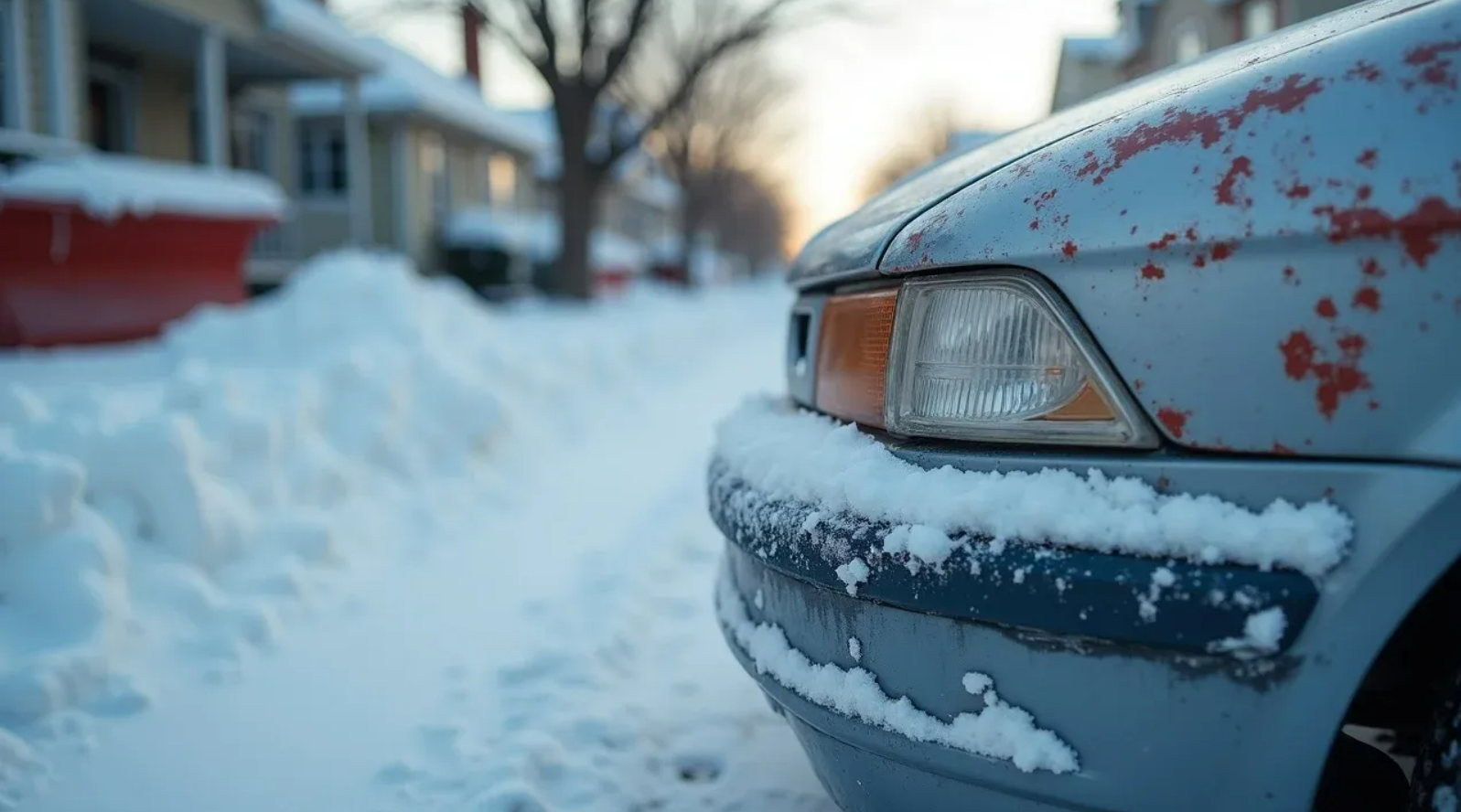
Insurance for Winter Collision Damage in Buffalo: What Drivers Need to Know
After an icy accident in Buffalo, many drivers wonder if their insurance will cover the resulting damage. Most policies with comprehensive or collision coverage can provide protection for damage stemming from snow, ice, or striking a snowbank—though every policy is different, so checking your plan is crucial. Insurers typically require prompt reporting after an accident involving winter collision damage Buffalo drivers encounter. Delays or “waiting to see if it gets worse” can sometimes complicate claims.
If you are involved in a winter collision—whether a low-speed bump at an intersection, a slide into a curb in North Buffalo, or even an incident due to a state of emergency snowstorm—take the following actions: Ensure everyone’s safety, photograph the scene and damage, exchange information if other vehicles are involved, and file a police report if necessary. It’s usually wise to get a professional repair estimate promptly; reputable shops like Elmwood Collision offer free in-shop assessments, which insurance often requires before approving coverage.
- Insurance coverage: Most comprehensive and collision policies cover accidents caused by snow, ice, and winter weather, but deductibles and claim processes vary.
- Steps after a winter accident in Buffalo: Prioritize safety, document the scene, contact your insurer, and get a winter collision damage inspection quickly.
- Repair estimates: An auto body estimate from a trusted local shop is nearly always needed for claims in Western New York.
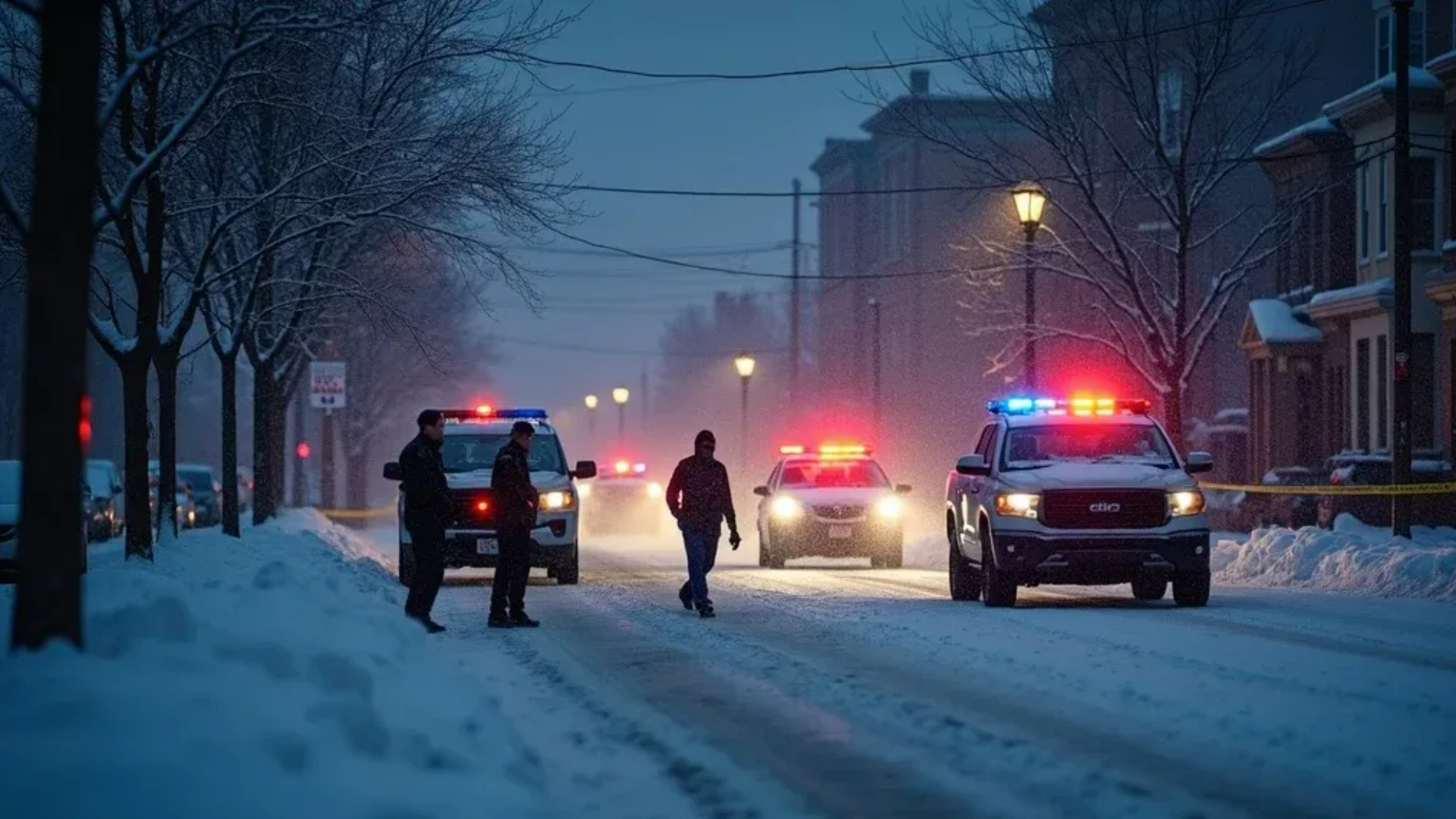
Does insurance cover accidents due to snow?
Overview of insurance coverage types relevant to winter collision damage in Buffalo, and tips for policyholders.
Yes, most major insurance providers in Buffalo offer coverage for accidents caused by snow and ice—assuming your policy includes comprehensive and/or collision options. These coverages handle damage from sliding into snowbanks, other cars, or even incurring undercarriage damage from hidden winter hazards. Always read your specific policy, know your deductible, and call your provider as soon as possible after an incident. Quick documentation and a professional estimate are key for stress-free claims in any winter collision damage Buffalo scenario.
What year did Buffalo get 7 feet of snow?
Brief history of record-breaking Buffalo snowfalls, including the impact on local drivers and accident rates.
Buffalo’s infamous “Snowvember” event in November 2014 saw parts of the region buried by nearly 7 feet of snow in less than five days. The event caused widespread traffic gridlock, hundreds of accidents, and even forced the closure of major thoroughfares for several days. Such history underlines not only the power of Western New York’s winters but also the need for vigilance and thorough vehicle checks after any incident involving heavy snow or state of emergency declarations.
What was the worst blizzard in Buffalo history?
Description of Buffalo’s worst blizzard and lessons learned for winter collision prevention today.
The Blizzard of 1977 is often cited as Buffalo’s worst, with historic wind chills, whiteout conditions, and drifts reaching more than 20 feet. The storm halted life across Western New York and changed local attitudes toward winter preparation. Key lessons for drivers include respecting travel advisories, having an emergency kit, and getting minor collision damage checked immediately, as unchecked issues can easily spiral out of control during prolonged severe winter conditions.
Recognizing the Signs: When Buffalo Drivers Should Seek Winter Collision Damage Inspections
Even when your car seems to drive just fine after a winter mishap, subtle problems can develop over time. Knowing exactly what to look and listen for can mean the difference between early, affordable repairs and costly surprises come spring. Pay close attention to:
If you notice the following signs—especially after sliding on snow or bumping a curb—it’s critical to have your car inspected by a local, trusted expert in winter collision damage Buffalo drivers depend on:
- Strange noises, “clunks,” or odd handling after contact with a snowbank or curb
- Dashboard alerts or warning lights related to sensors or safety systems
- Visible cracks, chips, or paint bubbling on bumpers or lower panels
- Persistent fogging inside headlights, signs of water entering the car, or flickering electronics
FAQs: Winter Collision Damage Buffalo Drivers Commonly Ask
- What if my car still drives fine after a small accident in Buffalo?
Even if your vehicle seems normal, hidden problems—such as misaligned suspension or subtle undercarriage damage—can worsen with continued winter driving. Hidden rust from salt is especially common. Get a professional inspection as soon as possible. - Can untreated winter collision damage get worse over time?
Absolutely. Exposed areas from paint chips foster rust quickly, and even small bumper cracks often mask deeper issues. Swift attention helps you avoid larger repairs down the road. - How soon should I get my vehicle checked after a snowy incident?
It’s best to schedule an inspection right away, even if the accident was minor. Cold temperatures and ongoing exposure to salt can cause invisible damage to become serious over days or weeks. - Is it safe to drive with minor bumper or undercarriage damage in winter?
While it may seem okay, small issues can escalate rapidly in Buffalo’s harsh environment. Compromised parts may affect your vehicle’s safety in the next snowstorm or ice event.
Key Takeaways for Buffalo-Area Drivers on Winter Collision Damage
- Even minor winter accidents can cause significant, hidden collision damage in Buffalo.
- Paint and bumper issues should not be ignored in snowy, salty conditions.
- Professional inspection can identify problems early and keep your car safe all winter.
Schedule Winter Collision Damage Estimates in Buffalo Today
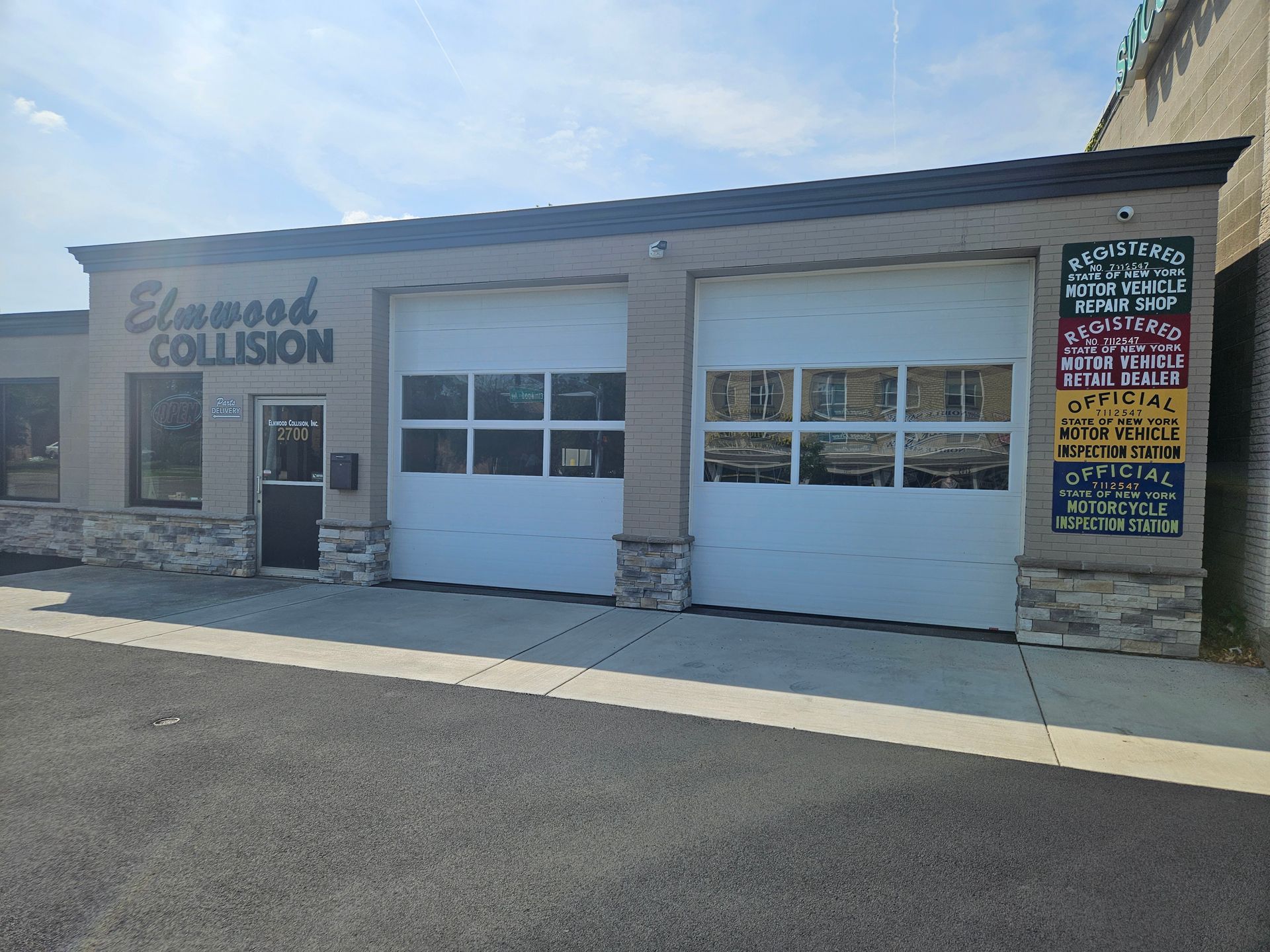
Same Day Walk-In Collision Estimates Available at 2700 Elmwood Avenue, Kenmore, NY 14217
Your safety on Buffalo’s roads matters. If you think you may have winter collision damage—or just want peace of mind before the next storm—stop in for a free estimate from local experts familiar with Western New York’s toughest winter conditions. Professional inspection keeps your car looking sharp, driving safely, and protecting your family through all of Buffalo’s seasons.
Staying proactive about winter collision damage is just one part of keeping your vehicle in top shape throughout Buffalo’s challenging seasons. If you’re interested in learning how a commitment to quality, efficiency, and professional service can make a difference in your repair experience, discover more about Elmwood Collision’s approach to auto body care. Their dedication to customer satisfaction and advanced repair techniques ensures your car receives the attention it deserves—no matter what Western New York’s weather throws your way. Take the next step in protecting your investment and enjoy greater peace of mind on the road, season after season.
Frequently Asked Questions About Winter Collision Damage in Buffalo
Can winter driving cause hidden collision damage?
Yes. Snow, ice, road salt, and minor winter impacts can cause damage that isn’t immediately visible. Even small slides or curb impacts can lead to issues that worsen during Buffalo winters.
Should a car be inspected after a minor winter accident?
Yes. Low-speed winter collisions can affect bumpers, alignment, and undercarriage components. An inspection helps identify problems early.
Does road salt make collision damage worse?
Road salt accelerates corrosion, especially when paint or protective coatings are damaged during winter driving.